Patients considering rhinoplasty often have many questions before proceeding with surgery. This is especially true for a procedure like rhinoplasty, which involves both functional and aesthetic aspects. Understanding the process in advance is essential in order to feel confident, informed, and fully prepared before making a decision.
Below, you will find answers to the most frequently asked questions related to the period before rhinoplasty surgery. These include topics such as choosing the right surgeon, determining whether you are a suitable candidate, understanding the appropriate age for surgery, and knowing what to expect during the preoperative phase.
The goal of this section is to provide clear and reliable information, helping you approach your rhinoplasty procedure with confidence, realistic expectations, and a complete understanding of the process.
Frequently Asked Questions: Before Rhinoplasty Surgery
Below you will find answers to the most frequently asked questions from patients regarding the period before rhinoplasty surgery, helping you better understand what to expect and how to prepare before the procedure.
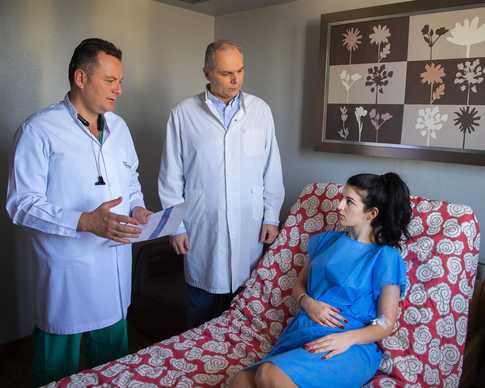
What is Piezo ultrasonic rhinoplasty, also known as Diamond Rhinoplasty?
Modern ultrasonic rhinoplasty using the Piezo surgical system is an advanced technique for reshaping the nasal bones without the use of traditional osteotomes or rasps, but instead utilizing ultrasonic technology.
This technique uses piezoelectric instruments, allowing the specialized surgeon to sculpt the nasal bones with high precision under direct vision. At the same time, it preserves the surrounding soft tissues, avoiding unnecessary trauma and contributing to improved surgical outcomes.
As a result, patients typically experience less swelling, reduced bruising, and less postoperative discomfort compared to conventional techniques.
Ultrasonic rhinoplasty, also known as Diamond Rhinoplasty, has been introduced in Greece by Dr. George Mireas, a specialized ENT and rhinoplasty surgeon, who performs a high volume of rhinoplasty procedures each year.
From what age can I undergo rhinoplasty?
Rhinoplasty can be performed safely once facial growth has been completed.
This is usually around the age of 16 for girls and 18 for boys.
Exceptions include special cases, such as cleft lip deformities, where surgery may be performed at an earlier age.
Older individuals can also undergo rhinoplasty for aesthetic or functional reasons, regardless of their age.
What are the benefits of rhinoplasty?
Improved self-confidence, better nasal breathing, and enhanced quality of life without breathing difficulties. If you are dissatisfied with your nose, rhinoplasty can help you achieve the result you desire.
How will I know that I have chosen the best plastic surgeon for my case? How important is the doctor’s specialization?
Choosing the right rhinoplasty surgeon for your individual case requires careful and thorough research, so that you can be confident both that you have selected the appropriate nose plastic surgeon and that you are truly ready to proceed with rhinoplasty.
Finding a qualified plastic surgeon becomes much easier when you take into account their training, continuous education in modern medical techniques, level of experience, and patient testimonials. Prospective patients can feel much more confident moving forward with the procedure and achieving their aesthetic goals when they find a skilled surgeon to guide them through their rhinoplasty journey.
Who are suitable candidates for rhinoplasty?
If you are in good general health, have a positive attitude, and realistic expectations, you are more likely to be a good candidate for this procedure.
It should be noted that due to the highly individualized nature of rhinoplasty, each patient is considered unique, and very different techniques may be applied compared to standard approaches.
Are the results of rhinoplasty permanent?
The results of rhinoplasty, both aesthetic and functional, are permanent and can last a lifetime.
How important is the first consultation? What will my surgeon explain to me?
During the first consultation, the doctor will take the necessary time to answer all your questions regarding your rhinoplasty procedure. All required examinations will be performed, along with a 3D simulation of your rhinoplasty.
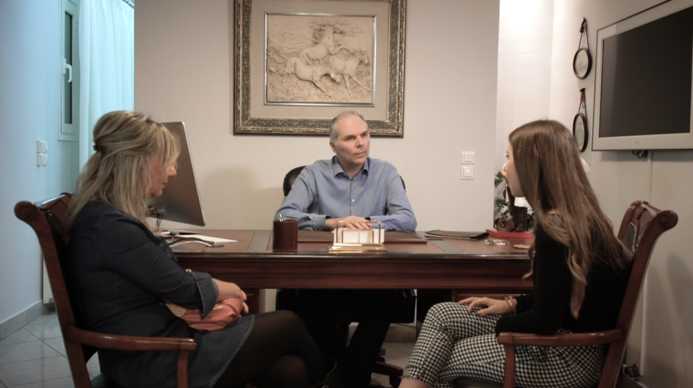
Katerina had a strong desire to undergo rhinoplasty. She agreed to share her experience in her own words and help us document, through photos, the process of a proper first visit at the VIP Rhinoplasty Center before deciding to proceed with functional rhinoplasty surgery.
What is 3D rhinoplasty simulation with Vectra 3D M3?
The Vectra 3D/M3 System (Canfield Scientific, NJ – USA) is the most advanced 3D rhinoplasty simulation system and is available in Greece exclusively at the VIP Rhinoplasty Center.
Thanks to its advanced technology, this imaging system allows you to see a three-dimensional preview of the result you can expect after your nose surgery.
You now have the ability to clearly explain how you envision your nose. The surgeon, in turn, can demonstrate on screen what can be achieved surgically based on your specific concerns and what best suits your individual case, ensuring that your rhinoplasty result is natural and harmonious with your facial features.
Learn more in detail about the rhinoplasty simulation process with the Vectra 3D/M3 system.
Will I feel pain after rhinoplasty?
Due to the atraumatic ultrasonic Piezo technique and Dr. Mireas’ surgical experience, patients typically do not complain of pain or discomfort in the nose after rhinoplasty. No pain medication is routinely required, and in the rare case of mild discomfort, a simple over-the-counter painkiller such as Depon or Panadol is sufficient.
Can I express how I imagine my nose? How does 3D simulation help?
At the VIP Rhinoplasty Center, you can see the expected result of your rhinoplasty through 3D imaging using the advanced Vectra 3D/M3 plastic surgery imaging system.
During your consultation, you will discuss your expectations with the doctor, who will explain what is surgically achievable in your case. With the help of the Vectra simulation, you and your surgeon can review different options together on screen.
A single image alone is not enough. The experience of the surgeon is essential, as they will guide you properly and, during surgery, create a nose that is both aesthetically pleasing and functionally sound.
The image you create together with your surgeon on the screen will be very close to your final surgical result.
Our patients’ experiences confirm that choosing Dr. Mireas as their surgeon, combined with the visual guidance from the rhinoplasty simulation system, greatly helped them make their decision and proceed with confidence, feeling assured about both the aesthetic and functional outcome.
I want my nose to look natural. I don’t want it to be obvious that I’ve had surgery. Is that possible?
A natural-looking result is the primary goal of rhinoplasty. The aim is to create a nose that does not look “operated” but instead blends harmoniously with your facial features. Together with your surgeon, you will design a personalized plan for your case so that the final result is a beautiful, natural-looking nose that suits your face and allows for proper breathing, ultimately improving both your confidence and quality of life.
I want the nose of Bella Hadid. Can I achieve that?
It is important for your rhinoplasty result to look natural and not artificial, with no obvious signs of surgery.
In rhinoplasty, it is not possible to copy and paste a specific nose onto your face. The procedure is performed on your own nose, taking into account your unique facial structure and characteristics. A nose that looks ideal on someone else may not suit another person in the same way. The main goal is to achieve a result that is natural, aesthetically pleasing, and functional, without it being apparent that you have undergone surgery.
Is there an ideal time of year for surgery?
Each season has its advantages and disadvantages. In winter, for example, there is less sun exposure and the cold air does not worsen swelling. On the other hand, summer may be more convenient for those who do not have time during the winter months.
Can my breathing improve with rhinoplasty?
If you have enlarged turbinates or a deviated nasal septum, rhinoplasty can correct the problem and help restore proper breathing.
Does rhinoplasty help improve sleep?
In cases of sleep apnea, rhinoplasty can contribute to improving sleep quality.
Can correcting a deviated septum stop snoring?
It is important to note that snoring and sleep apnea depend on many factors such as body weight, sleeping position, alcohol consumption, eating close to bedtime, and others depending on each individual case. Improvement is partially related to the surgery.
In most cases, significant improvement has been observed, and in some cases, snoring may even be completely resolved.
How should I prepare for a rhinoplasty procedure?
Before rhinoplasty surgery, the instructions patients need to follow are simple and will also be provided in written form by the surgeon. You should not have a cold before surgery.
Do not drink water for 12 hours before the procedure and:
- Avoid smoking and alcohol
- Avoid prolonged sun exposure
- Do not take medications
Can I see before and after photos of other patients? What suits my case?
Plastic surgeons should have sufficient experience and be able to show prospective patients real-life results. Photos and videos with real patient testimonials from Dr. Mireas are available on our website, as well as on our Vip Rhinoplasty YouTube channel. During your consultation, you will see before and after photos of patients. Since your case is unique, you will discuss it with your doctor and create a personalized surgical plan together.
I am afraid to undergo rhinoplasty. Is that normal?
Many patients, even after deciding to proceed with nose surgery and choosing a surgeon they trust, feel nervous or anxious before the procedure. This is completely normal and understandable. Discuss any concerns you have with your doctor, who can help you feel more comfortable and overcome any natural hesitation.
What is considered the perfect nose?
There is no such thing as a perfect nose. Every person is unique. A nose that looks beautiful on one face does not necessarily look the same on another and may even appear unattractive. For example, a very small nose on a large face, or the opposite, may look disproportionate. The goal of rhinoplasty is always to create a functional nose that harmonizes with the individual facial features of each patient, making it naturally beautiful.
Is there a bad or ideal season for rhinoplasty surgery?
There is no bad season for rhinoplasty, and the procedure can be performed safely at any time of the year. The only periods to avoid are times of severe allergy flare-ups in highly allergic patients, as well as periods when the patient is required to be exposed to very high temperatures due to work conditions.
For example, summer is considered ideal for those who do not have any availability during the winter, as they can easily protect themselves from high temperatures by staying in shaded and relatively cool environments during their holidays.
Frequently Asked Questions: During Rhinoplasty Surgery
Dr. George Mireas MD, PhD is an ENT Surgeon specializing in Rhinoplasty and Facial Plastic Surgery. Below are answers to the most common patient questions regarding rhinoplasty surgery.
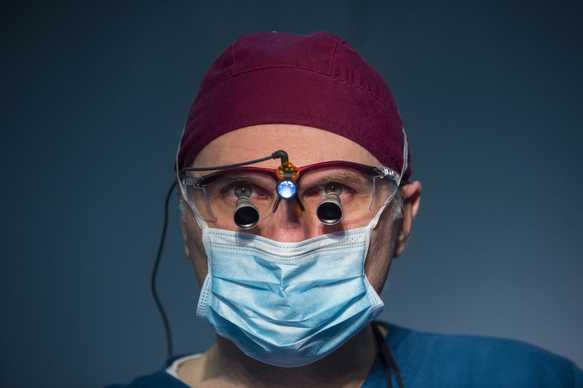
What happens during the surgery?
Read in detail and watch videos related to rhinoplasty surgery.
Can rhinoplasty be combined with other procedures?
For the treatment of sleep apnea and snoring, rhinoplasty can be combined with:
pharyngoplasty
uvulectomy
tonsillectomy
adenoidectomy
For difficulty in nasal breathing, rhinoplasty is combined with septoplasty (correction of a deviated nasal septum).
What type of anesthesia is used during rhinoplasty? I have decided to undergo rhinoplasty but I am afraid of anesthesia. Is it dangerous?
During rhinoplasty, general anesthesia is most commonly used. Anesthesia in rhinoplasty does not carry greater risk compared to other surgical procedures. Before surgery, all necessary preoperative tests are performed to ensure that anesthesia is safe for the patient. During general anesthesia, the patient is continuously monitored by specialized equipment (monitoring), as well as by an experienced team of anesthesiologists.
Watch a video of how anesthesia is administered during surgery in Dr. Mireas’ operating room.
Where are the incisions made during rhinoplasty? What is the difference between open and closed rhinoplasty?
Ultrasonic Piezo rhinoplasty is the most modern and safe surgical method and can be performed using both open and closed techniques.
Open rhinoplasty In open rhinoplasty, small incisions are made inside the nose, along with a very small incision on the skin between the nostrils. This incision heals extremely well and is practically not visible a few months after surgery. Closed rhinoplasty In closed rhinoplasty, all incisions are made exclusively inside the nostrils. There is no external incision on the skin, and therefore no visible scar between the nostrils as in the open approach. Which method is safer? Open or closed rhinoplasty? Depending on the patient’s nasal anatomy, the issues that need to be addressed, and the desired outcome, either the open or closed approach is selected on a case-by-case basis. In all cases, the use of ultrasonic technology ensures the precision required for the best possible aesthetic and functional result. Based on your specific case, the most appropriate method will be chosen to achieve optimal results.
How long does the surgery last?
Depending on the type of procedure (cosmetic, functional, or revision rhinoplasty), the surgery typically lasts between 1.5 and 3 hours.
Can I correct my septum at the same time?
Yes, if a deviated nasal septum is present, it can be corrected during the same procedure, avoiding the need for two separate surgeries and recovery periods. In this case, it is referred to as functional rhinoplasty.
I want to have rhinoplasty but I have very thin skin. Can I still achieve a good aesthetic result?
Yes. After surgery, swelling or bruising may be slightly more visible compared to patients with thicker, more resilient skin, but this does not affect the final result of your rhinoplasty. In any case, your first consultation with the surgeon will address all your questions.
I recently had rhinoplasty and the graft at the tip of my nose is visible. Why do surgeons still use grafts?
Grafts are often necessary for the proper execution of the surgical procedure. When placed by an experienced and specialized surgeon, they do not pose risks and are not visible externally.
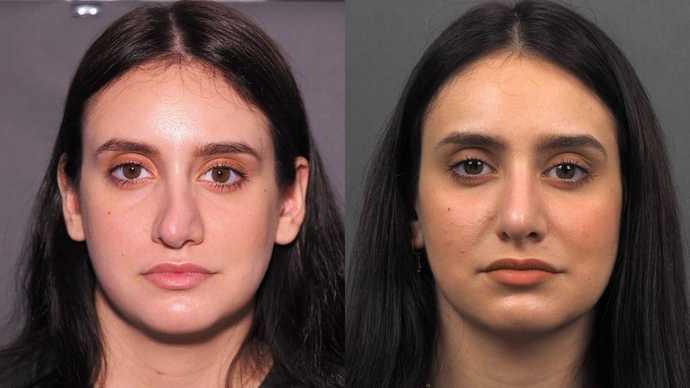
Georgia underwent revision rhinoplasty. In her case, a graft was taken from the ribs. She did not experience any complications, and the aesthetic result is clearly noticeable.
Can I watch video testimonials from Dr. Mireas’ patients about their rhinoplasty experience?
Στο κανάλι του Δρ. Μοιρέα VIP-Rhinoplasty στο YouTube μπορείτε να παρακολουθείτε συνεχώς νέες μαρτυρίες των ασθενών του χειρουργού σχετικά με τη ρινοπλαστική τους επέμβαση.
Send us your questions and we will be happy to answer
Dr. Mireas will respond to any concerns you may have and suggest the best possible solution for your individual case.
Read more:
Dr. Mireas answers the most frequently asked patient questions:
After Rhinoplasty: Written Answers & Videos about the postoperative period after nose surgery